Cupping Therapy Near Langley, BC
Personalized Cupping Therapy for Patients from Langley
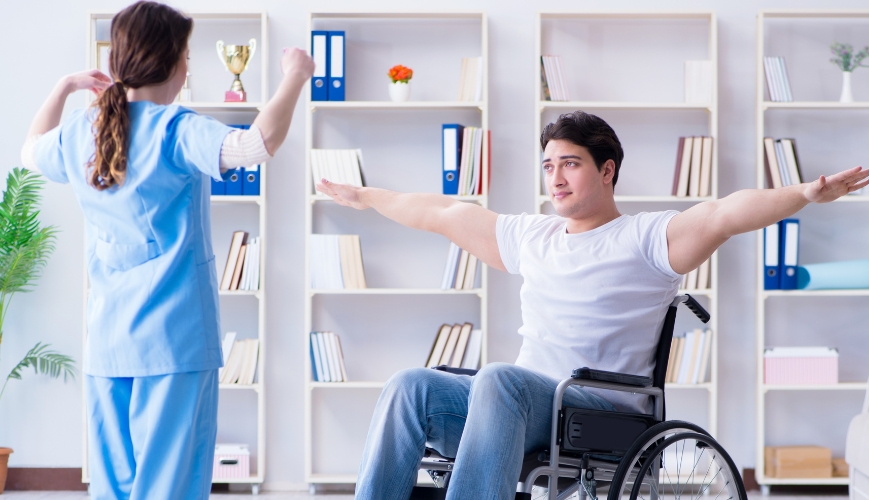
Muscle tightness, physical strain, sports-related soreness, and restricted movement can affect your ability to stay active and comfortable. Cupping Therapy can be used as a complementary treatment to help address areas of muscular tension and support recovery as part of an individualized rehabilitation program.
At Simon Physiotherapy & Rehab, we provide personalized Cupping Therapy for patients from Langley, BC, at our conveniently located Abbotsford clinic. Our physiotherapists assess your condition and determine whether cupping is appropriate for your symptoms and rehabilitation goals.
We welcome patients from Langley, Aldergrove, Mission, and surrounding Fraser Valley communities seeking professional physiotherapy and complementary rehabilitation services.
What is Cupping Therapy?
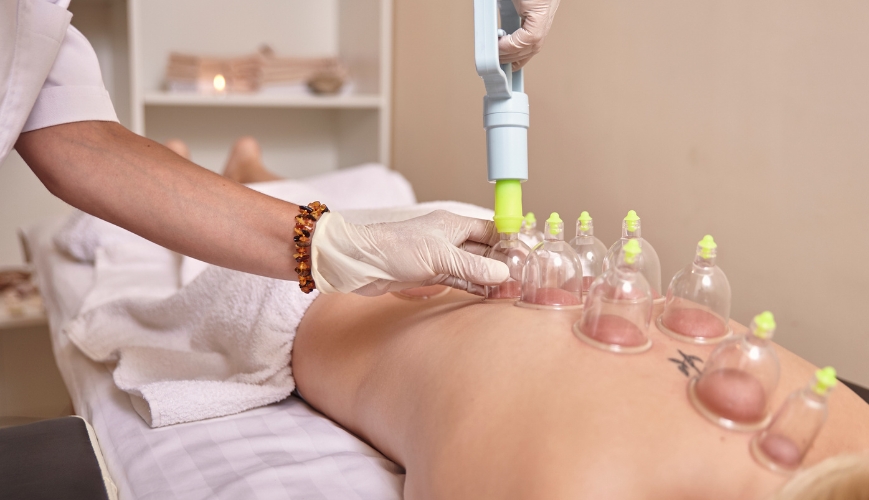
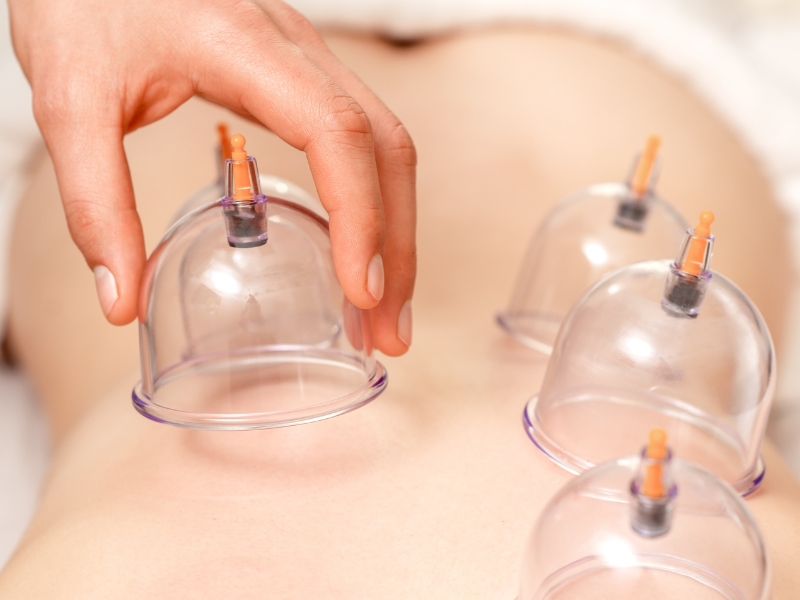
Cupping Therapy is a treatment technique that uses specially designed cups to create controlled suction against the skin. The suction gently lifts the underlying tissues and may increase local blood flow to the treated area.
Cupping can be used alongside physiotherapy, massage therapy, therapeutic exercise, and other rehabilitation techniques. Your therapist will first consider your symptoms and overall condition before determining whether cupping is suitable.
Cupping Therapy may be considered for:
- Muscle tightness and stiffness
- Neck and shoulder tension
- Back and hip discomfort
- Sports-related muscle soreness
- Certain soft tissue injuries
- Muscle strains
- Restricted mobility
- Physical tension following exercise
- Certain musculoskeletal conditions
Potential Benefits of Cupping Therapy
When appropriately incorporated into a treatment plan, Cupping Therapy may offer several potential benefits.
-
Helps Address Muscle Tension
The controlled suction created by the cups may help relax areas of tight or overworked muscle.
-
Supports Local Circulation
Cupping may increase blood flow to the treated area, supporting the body's natural recovery processes.
-
May Improve Comfortable Movement
Reducing muscle tension and discomfort may help improve flexibility and range of motion.
-
Supports Recovery After Exercise
Active individuals may use cupping as part of a broader recovery program to address muscle soreness and tension.
-
Complements Physiotherapy
Cupping can be combined with therapeutic exercise, manual therapy, and other physiotherapy techniques when appropriate.
Personalized Cupping Therapy Treatment
At Simon Physiotherapy & Rehab, treatment is based on your individual needs rather than a standard protocol.
Your physiotherapist may consider your symptoms, activity level, medical history, movement patterns, and rehabilitation goals when deciding whether Cupping Therapy should form part of your treatment plan.
Depending on your condition, treatment may also include:
- Physiotherapy
- Registered Massage Therapy
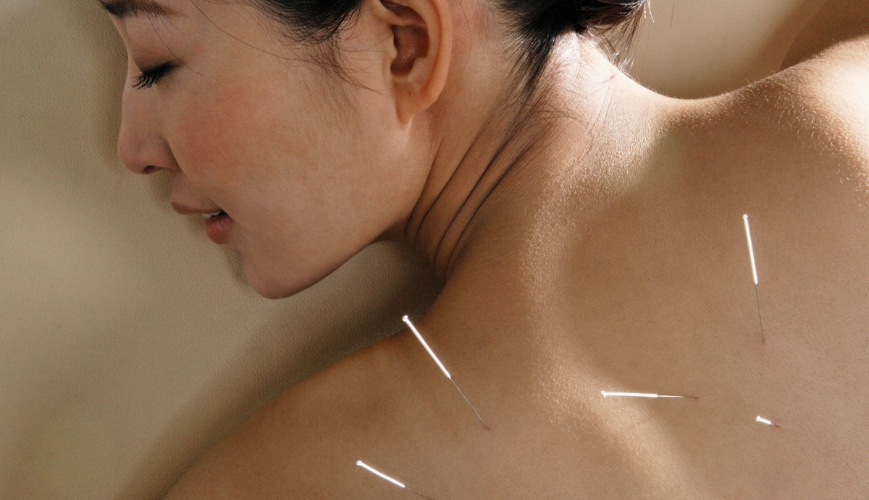
- IMS / Dry Needling
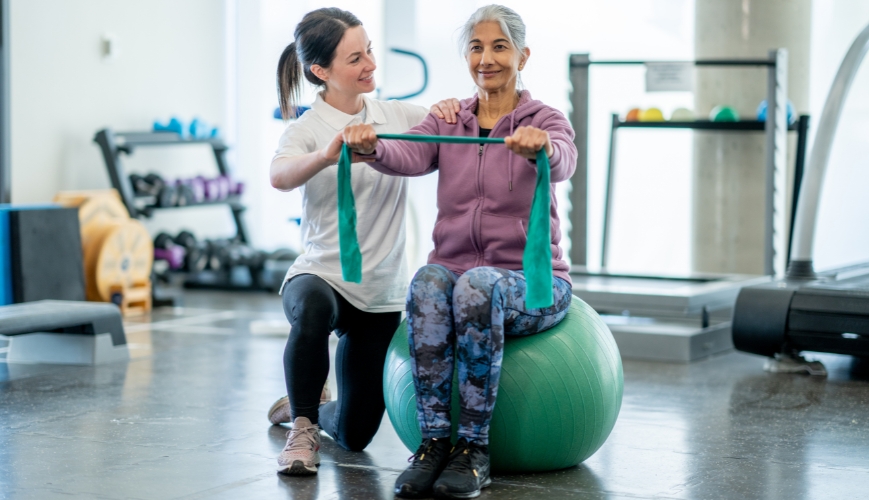
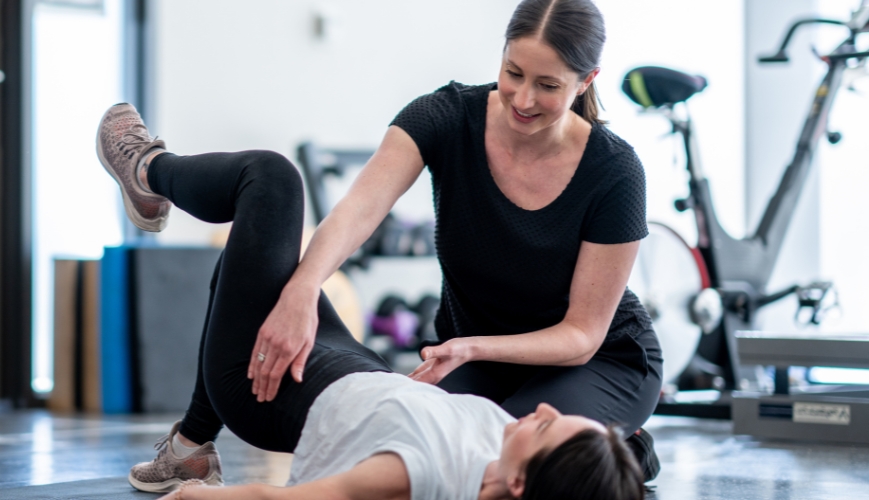
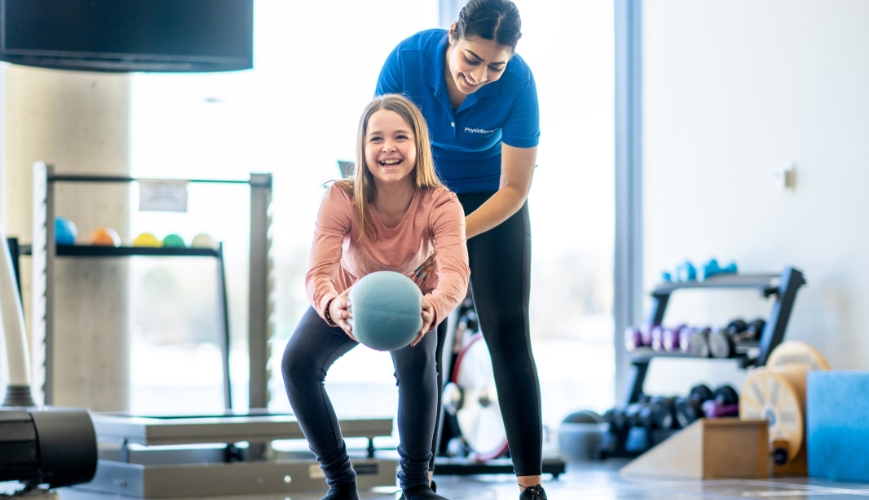
- Therapeutic exercise
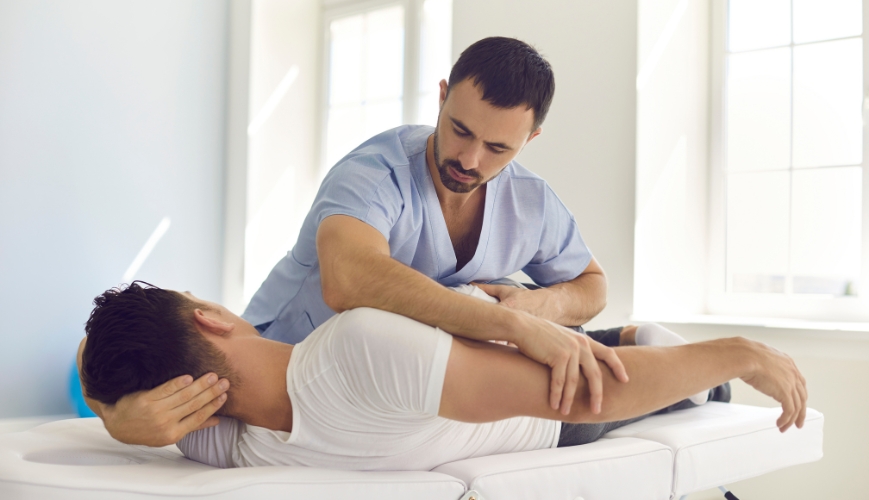
- Manual therapy
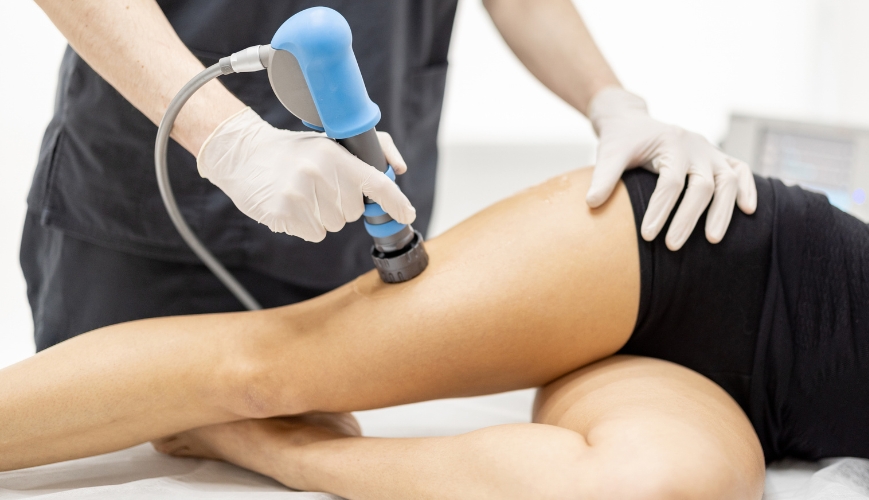
- Shockwave Therapy
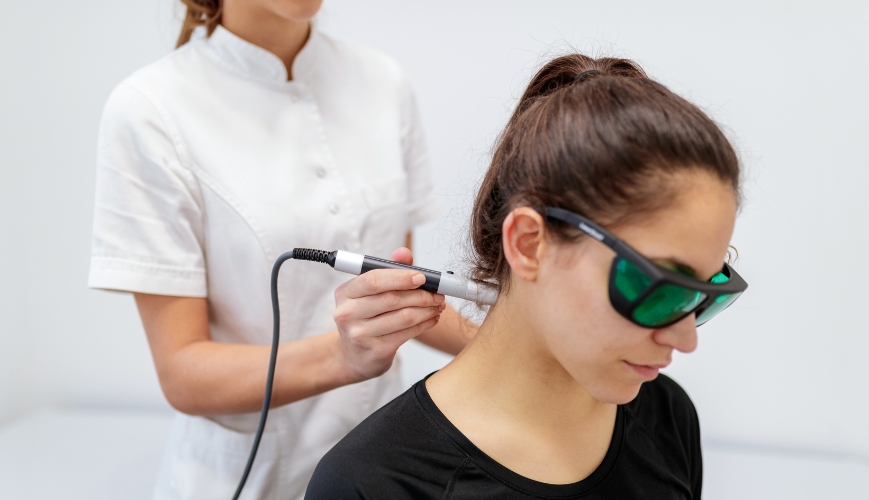
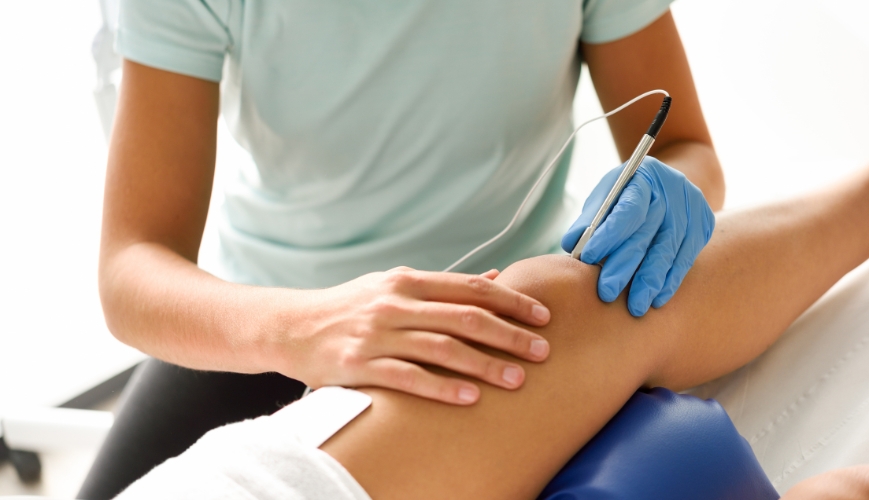
- Laser Therapy
- Mobility and strengthening exercises
The combination of treatments will depend on your assessment and individual recovery needs.
Cupping Therapy for Active Individuals
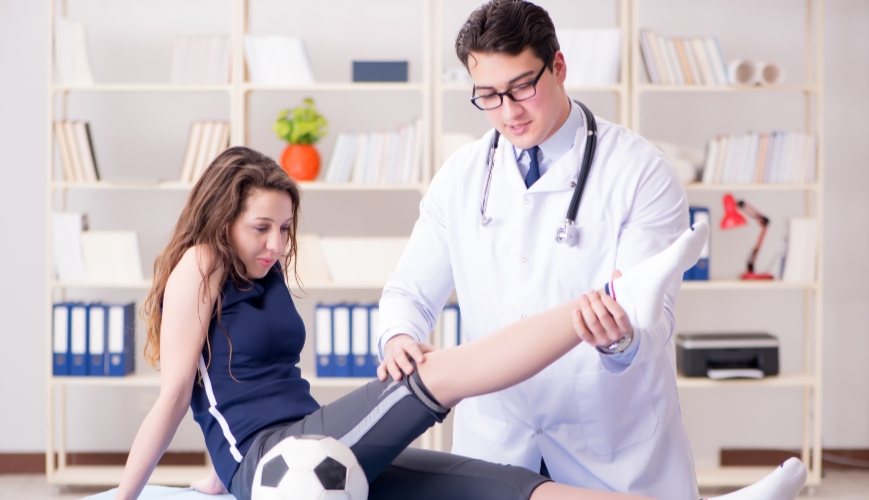
Sports, exercise, and physically demanding work can place additional stress on your muscles and soft tissues. Persistent muscle tightness can affect flexibility, movement, and performance.
Cupping Therapy may be incorporated into a rehabilitation or recovery program to help address muscular tension while you work toward restoring comfortable movement.
Your physiotherapist can help determine whether cupping is appropriate for your specific condition and how it can fit into your overall recovery plan.
Why Choose Simon Physiotherapy & Rehab?
Patients from Langley choose our Abbotsford clinic for personalized treatment and access to multiple rehabilitation services.
Our approach includes:
- Individualized assessments
- Personalized Cupping Therapy treatment
- Experienced physiotherapy professionals
- Evidence-based rehabilitation techniques
- Exercise-based rehabilitation
- Access to multiple treatment options
- Comfortable and professional clinic environment
- Patient-focused care
- Convenient access from Langley and surrounding communities
Our goal is to understand your condition and provide a treatment plan that supports your recovery and physical function.
Cupping Therapy Near Langley at Our Abbotsford Clinic
Simon Physiotherapy & Rehab is located in Abbotsford, and we welcome patients travelling from Langley for Cupping Therapy and physiotherapy services.
If you're searching for Cupping Therapy near Langley, BC, our Abbotsford clinic provides convenient access to professional rehabilitation services within the Fraser Valley.
Whether you're dealing with muscle tension, sports-related soreness, restricted movement, or physical strain, our team can assess your needs and determine whether Cupping Therapy is an appropriate treatment option.
Who Can Benefit from Cupping Therapy?
Cupping Therapy may be considered for individuals experiencing:
- Persistent muscle tightness
- Muscle soreness following exercise
- Neck and shoulder tension
- Back and hip muscle tension
- Sports-related muscle discomfort
- Restricted flexibility
- Physical strain from work or daily activities
- Certain musculoskeletal conditions
Cupping is not appropriate for everyone. An assessment and discussion with your healthcare professional can help determine whether it is suitable for you.
Book Your Cupping Therapy Appointment Near Langley
Muscle tension and physical discomfort don't have to keep you from the activities you enjoy. As part of an individualized rehabilitation plan, Cupping Therapy may complement physiotherapy and other treatment techniques to support comfortable movement and recovery.
If you're searching for Cupping Therapy in Langley, BC, Simon Physiotherapy & Rehab provides personalized treatment from our Abbotsford clinic for patients from Langley and surrounding Fraser Valley communities.
Contact Simon Physiotherapy & Rehab today to schedule an assessment and find out whether Cupping Therapy is right for your recovery goals.